Plum and Almond Pudding Recipe
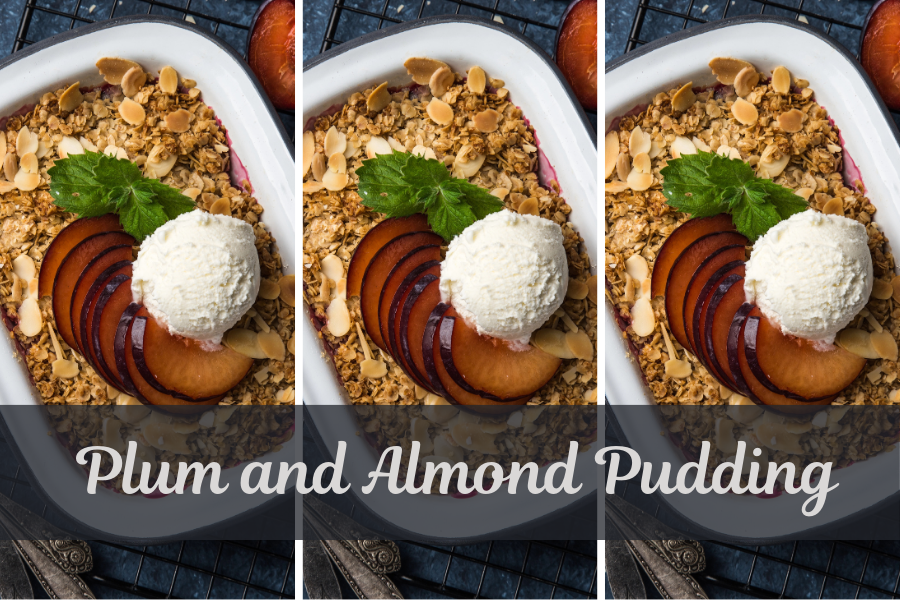
Plum pudding is a lovely holiday dessert, but what do you make when you want to have a dessert with plums in it not at Christmas time? Plum and Almond Pudding! Plums are a delicious summer treat and the almond flour adds a lovely nutty taste to the pudding. With this recipe, you will be enjoying a warm plum and almond pudding all year round!
In this recipe, you will learn how to make a lovely plum and almond pudding.
How to Make Plum and Almond Pudding
How Do I Know if My Plums are Ripe?
Knowing if your plums are ripe is important for ensuring they are sweet, juicy, and full of flavour. This recipe uses red plums. There are a few ways that you can determine if your plums are ready and ripe to eat.
Texture: Gently press the plum with your thumb. Ripe plums should give slightly under pressure but not be too soft or mushy. They should feel firm but give slightly. The skin of a ripe plum should be smooth and slightly tender. Wrinkled skin can indicate overripe fruit, while hard and unyielding skin suggests the plum is still unripe.
Colour: plums come in various colours, including red, purple, yellow, and green. Check the specific variety you have, as the colour change can indicate ripeness. For example, red plums should be a deep red, while yellow plums should be a vibrant yellow.
Aroma: ripe plums will have a sweet, fragrant aroma. If you can smell the fruit’s sweetness without having to hold it close to your nose, it is likely ripe.
Weight: ripe plums will feel heavier for their size due to their high juice content. Pick up a few plums of similar size and choose the heaviest ones.
Taste: if you are still unsure, you can cut open a plum and taste it. A ripe plum should be juicy and sweet with a slightly tart edge, depending on the variety.
Appearance: some plums have a natural powdery coating known as “bloom.” This is a good sign that the plum has not been over-handled and is fresh. The bloom should be present but not excessive. look for even coloration without too many green spots (unless the variety is green when ripe). Uneven coloration might indicate that the plum is not fully ripe.
Ripening Your Plums at Home for Your Plum Pudding
If your plums are not quite ripe, you can ripen them at home. However, if you try to make this recipe with non-ripened plums, the plums can make the pudding too sour to eat.
- Room Temperature: place the plums in a single layer on a pan at room temperature away from direct sunlight. Then they should ripen in a few days.
- Paper Bag: to speed up the ripening process, place the plums in a paper bag. Adding a banana or an apple to the bag can help release ethylene gas, which accelerates ripening.
Storage
- Ripe Plums: once your plums are ripe, store them in the refrigerator to slow down the ripening process. They should keep for several days to a week.
- Unripe Plums: keep unripe plums at room temperature until they reach the desired ripeness.
With these methods, you can ensure that your plums are perfectly ripe and ready to enjoy, whether you are eating them fresh, baking, or making dishes like plum and almond pudding.
Ingredients
Plums: ripe, fresh plums are the best to use in this recipe but dried plums (prunes) are also an option. The fresh plums should be pitted and sliced.
Almond Flakes: almond flakes are used for texture and a lovely garnish.
All-Purpose/Plain Flour: all-purpose flour is used as the structure of the mixture.
Almond Flour: almond flour is used to add a rich and nutty flavour to the pudding.
Granulated Sugar: granulated sugar is used to sweeten the pudding.
Brown Sugar: brown sugar sweetens the pudding and adds a deep, molasses flavouring to it.
Lemon Zest: lemon zest adds a concentrated lemon flavour.
Unsalted Butter: unsalted butter helps to create a tender texture.
Eggs: the egg acts as a binding agent and provides structure.
Baking Powder: baking powder is the leavening agent for the pudding to rise slightly.
Dash of Cinnamon: a dash of cinnamon just adds a bit of flavour and warmth to the pudding.
Tips
- Make sure that your plums are not too sour. If they are, it can cause the whole dish to be inedible.
- Place plums on top of the almond batter under the almond flakes for a nicer presentation.
- Use a pie dish if no 9×5 pan is available for you to use.
- The batter on top can bake quite quickly at first. Let it brown (approximately 20 minutes) and then tent aluminum foil on top to keep it from burning.
Looking for other summer desserts? Try these recipes!
- Peach Cobbler with Canned Peaches
- Blueberry Galette
- Black Cherry Cobbler
- Peach Crumble
- Fresh Strawberry Crumble

Plum and Almond Pudding
Ingredients
- 6 medium plums sliced and stoned
- Zest 1 lemon
- 1 tsp. lemon juice or squeeze a quarter of the lemon that you zested
- Dash of cinnamon
- 1/8 c. sugar granulated
- 1/2 c. butter 100g
- 1/2 c. brown sugar
- 2 eggs
- 3/4 c. all-purpose/plain flour
- 1 1/2 tsp. baking powder
- 1/2 c. almond flour
- 3 tbsp. flaked almonds
Instructions
- Preheat oven to 350℉/180℃/Gas Mark 4.
- Slice and stone the plums. Zest your lemon onto the plums and add the lemon juice. Sprinkle the dash of cinnamon onto them. Mix together. Sprinkle the granulated sugar evenly over the plums. Let macerate while you prepare the rest of the ingredients.
- In a small bowl, mix your all-purpose flour, baking powder, and almond flour together. Set aside.
- In a medium bowl, cream your butter and brown sugar together until pale and fluffy. You may need to use an electric whisk to get the desired texture and consistency.
- Add one egg at a time into the creamed butter and sugar and whisk them in.
- Once both eggs are whisked in, add the flour mixture into the wet mixture. Mix together until you have a batter-like mixture.
- Pour your plums into a greased 9x5 pan and pour your batter on top of them.
- Sprinkle the flaked almonds over top of the batter.
- Bake for 50 minutes to an hour. Check frequently as the top can brown quite quickly, and you may need to cover the pudding with aluminum foil to prevent the pudding from burning. It is finished baking when a knife inserted into the centre comes out clean. If the knife is wet, bake the pudding for a few more minutes.
- Let cool, then serve with ice cream.
Notes
Author: Sarah Young
Frequently Asked Questions
What is Plum and Almond Pudding?
Plum and Almond Pudding is a soft, moist dessert made with juicy plums and ground almonds, creating a rich cake-like pudding with a delicate nutty flavor.
Can I use fresh or frozen plums?
Yes. Fresh plums work best when in season, but frozen plums can also be used. If using frozen plums, thaw and drain any excess liquid before adding them to the batter.
What type of plums are best for this recipe?
Most varieties of plums work well, including red, black, or yellow plums. Choose ripe plums that are slightly firm for the best texture and flavor.
Does this pudding need to be served warm?
While it’s delicious served warm, Plum and Almond Pudding can also be enjoyed at room temperature or chilled from the refrigerator.
What should I serve with Plum and Almond Pudding?
This pudding pairs wonderfully with whipped cream, vanilla ice cream, custard, crème fraîche, or a dusting of powdered sugar.
Can I make this pudding ahead of time?
Absolutely. The pudding can be baked a day in advance and stored covered at room temperature or in the refrigerator until ready to serve.
How do I know when the pudding is fully baked?
The pudding is done when the top is golden, the center is set, and a toothpick inserted into the middle comes out with only a few moist crumbs.
Can I substitute other fruits for the plums?
Yes. Peaches, nectarines, apricots, cherries, pears, or berries are all excellent alternatives.
How should I store leftover Plum and Almond Pudding?
Store leftovers in an airtight container in the refrigerator for up to 4 days.
Can I freeze Plum and Almond Pudding?
Yes. Allow the pudding to cool completely, then wrap it tightly and freeze for up to 3 months. Thaw overnight in the refrigerator before serving.
Why do almonds pair so well with plums?
The sweet, nutty flavor of almonds complements the tartness and natural sweetness of plums, creating a balanced and flavorful dessert that highlights both ingredients beautifully.
In this blog post, you learned how to make a plum and almond pudding.